How Much for a Molar? Your Dental Implant Pricing Guide
What Does a Single Dental Implant Actually Cost?
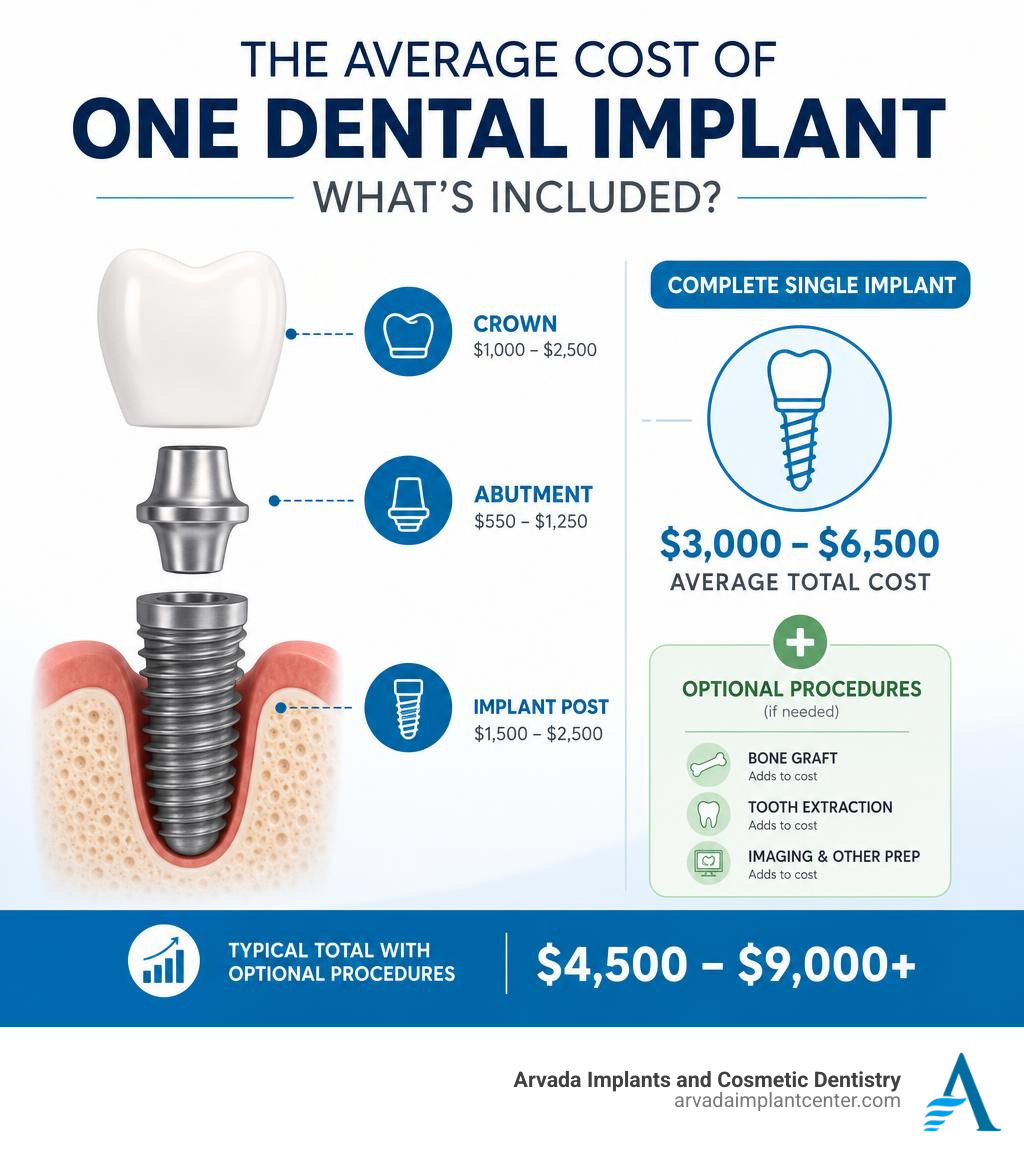
The cost of one dental implant in the US typically falls between $3,000 and $6,500 in 2026, with most patients paying around $4,500 when all components are included.
Here's a quick breakdown to answer your question fast:
What's Included Typical Cost Range Implant post only $1,500 – $2,500 Abutment + crown $1,000 – $2,500 Complete single implant (all-in) $3,000 – $6,500 With bone graft or other prep work $4,500 – $9,000+
Bottom line: Budget at least $3,000 for a straightforward case. If you need a bone graft, extraction, or imaging, expect to pay more.
These numbers can feel daunting — especially when you're already dealing with the stress of a missing tooth. But the sticker price rarely tells the whole story. What's actually in that quote, what your insurance might cover, and what financing options exist can all shift the real number significantly.
That's exactly what this guide walks you through.
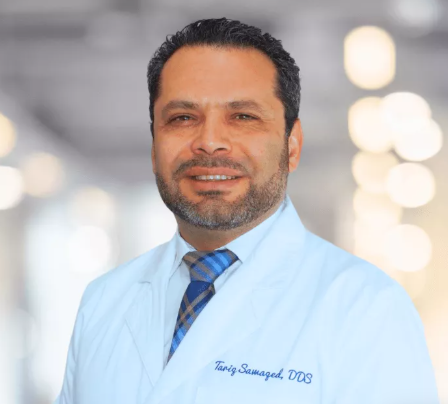
I'm Dr. Tariq Sawaqed, founder of Arvada Implants and Cosmetic Dentistry, with over 20 years of experience helping patients understand and navigate the cost of one dental implant from consultation through final crown placement. In the sections below, I'll break down every cost factor clearly so you can plan with confidence.
What Is the Average Cost of One Dental Implant in 2026?
When you begin researching how to replace a missing tooth, the wide range of prices can be incredibly confusing. Some advertisements claim they can place an implant for under $1,500, while comprehensive medical estimates might place the total closer to $6,000 or more.
To understand the true cost of one dental implant, we must look at the national benchmarks. According to national pricing indices, the average price of a fully restored single dental implant—including the post, the connector piece (abutment), and the final porcelain crown—ranges from $3,000 to $6,000. For a highly detailed look at these national ranges, you can review the Single Tooth Implant Cost: $4,500 Avg in 2026 ($3,000–$6,000).
However, dental fees are highly localized. Here in Colorado, and specifically within the Denver metro area, average costs tend to sit slightly above the national baseline due to regional overhead and cost of living. In Colorado, the average price for a fully restored single implant is approximately $4,734 (about 5.2% higher than the national average).
To give you a clear picture of how these costs are distributed, let’s look at how Colorado pricing compares to national averages across different components:
Component / Phase National Average Cost Colorado Average Cost Surgical Implant Post $2,143 (Range: $1,646 – $4,175) $2,161 (Range: $1,700 – $4,300) Abutment & Custom Crown $1,500 (Range: $1,000 – $2,500) $1,650 (Range: $1,100 – $2,700) Diagnostic 3D CBCT Imaging $350 (Range: $150 – $600) $380 (Range: $200 – $650) Estimated Total (No Prep Work) $3,993 $4,191
As you can see, the physical location of your provider plays a major role in your bottom line. But geographic location is only the first piece of the puzzle. The anatomy of your mouth, the health of your jawbone, and the specific tooth you are replacing all dictate the complexity of your treatment. To understand the clinical steps required for your specific situation, you can read more details on replacing one missing tooth.
Breaking Down the Components and Hidden Costs of a Single Tooth Restoration
A common trap many patients fall into is comparing a "partial quote" to an "all-inclusive quote." Many corporate dental chains advertise eye-catching low prices that only cover the surgical placement of the titanium post, leaving out the essential connector and the crown.
At Arvada Implants and Cosmetic Dentistry, we believe in complete financial transparency. To understand what you are paying for, it helps to look at a dental implant not as a single product, but as a three-part custom-engineered medical system.
Understanding the Base Cost of One Dental Implant Post
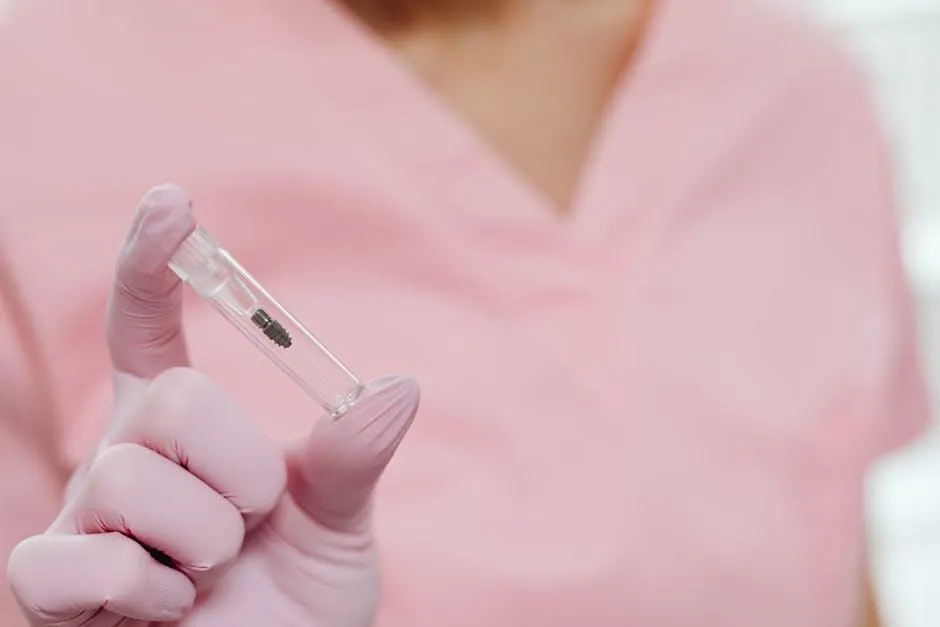
The first component is the implant post itself. This is a small, screw-like fixture made of medical-grade titanium or zirconia. During a minor surgical procedure, we place this post directly into your jawbone, where it acts as a replacement root for your missing tooth.
Titanium is the gold standard in modern dentistry because of its incredible biocompatibility. Over a period of three to six months, a biological miracle called osseointegration occurs: your natural jawbone actually fuses directly to the titanium post, creating an anchor that is as strong as—or even stronger than—a natural tooth root.
The surgical placement of this post typically accounts for about 35% of the total treatment cost, generally ranging from $1,500 to $2,500. For an interactive tool to estimate these base fees, you can use the Dental Implant Cost Calculator (2026) | CostFigure.
Abutment and Custom Crown Pricing
Once your implant post has fully integrated with your bone, we attach the abutment. This is a small metal or ceramic connector piece that screws into the top of the implant post and juts out slightly above your gum line. The abutment serves as the foundation upon which your final tooth sits.
The final piece of the system is the dental crown—the visible tooth that allows you to chew, speak, and smile with absolute confidence. At our practice, we specialize in custom lab creations. Instead of using generic, bulk-manufactured crowns, we design and craft custom zirconia or porcelain crowns that are meticulously color-matched and shaped to blend in seamlessly with your surrounding natural teeth.
Together, the custom abutment and the custom crown usually cost between $1,000 and $2,500. If you would like to explore the clinical benefits of these materials, you can learn more about dental implants and how they function.
Preparatory Procedures and Hidden Fees
The "hidden" costs of dental implants almost always stem from preparatory treatments. If you have been missing a tooth for a long time, or if the tooth was lost to severe infection, your mouth may require prep work before it can safely support an implant.
These additional procedures include:
3D CBCT Imaging ($100 – $500): A specialized three-dimensional X-ray that allows us to map your bone density, nerve pathways, and sinus cavities with pinpoint accuracy.
Tooth Extraction ($150 – $650): If the damaged tooth is still in place, it must be gently extracted.
Bone Grafting ($300 – $3,000): If your jawbone is too thin or soft to hold an implant, we place bone grafting material to stimulate new bone growth.
Sinus Lift ($1,500 – $5,000): If you are replacing an upper molar and your sinus cavity is too close to the jawbone, we must gently lift the sinus membrane and place bone graft material underneath.
Sedation Anesthesia ($200 – $800): While local numbing is included, many patients prefer nitrous oxide or IV sedation for maximum comfort.
Interestingly, peer-reviewed market research shows that choosing a highly trained specialist can actually save you money in the long run by minimizing the risk of implant failure and reducing the need for costly corrective surgeries. You can read more about these regional pricing dynamics in A comparative analysis of dental implant costs across major US markets | Dental Economics. For a local perspective on how these preparatory steps are handled right here in our community, you can read about dental implants in Arvada.
Insurance, Financing, and Savings Strategies

Now that you know what goes into the cost of one dental implant, let’s talk about how to fit this investment into your budget. Because dental implants are a major healthcare decision, navigating insurance and financing is just as important as the clinical treatment itself.
Navigating Insurance Coverage and Annual Maximums
Historically, most dental insurance companies classified implants as "cosmetic" or "elective" and refused to cover them. Fortunately, that trend is changing in 2026. Many modern Dental PPO plans now cover a portion of the implant procedure—often up to 50% of the surgical placement or the crown.
However, dental insurance comes with a major catch: the annual maximum. Most dental plans cap their yearly payouts between $1,000 and $2,500. Because a single implant can exceed this maximum, a smart financial strategy is to split your treatment across two calendar years. For example, you can have the extraction and bone graft performed in November, and then place the implant post and final crown in the spring of the following year. This allows you to utilize two separate annual maximums, saving you thousands of dollars out of pocket.
Be sure to check your policy for waiting periods (which may require you to hold the policy for 6 to 12 months before major work is covered) and "missing tooth clauses" (which exclude coverage for teeth lost before your policy began). To help you decode your policy, we provide a detailed breakdown of how to navigate these terms; you can start by understanding insurance and finance options on our dedicated page.
Flexible Financing and Payment Plans
If your insurance coverage is limited, or if you do not have dental insurance at all, there are several highly effective ways to manage the cost:
HSA and FSA Accounts: You can use pre-tax dollars from your Health Savings Account (HSA) or Flexible Spending Account (FSA) to pay for dental implants. Because these funds are tax-free, this strategy instantly saves you 20% to 35% depending on your tax bracket.
Third-Party Financing: We partner with reputable healthcare lenders like CareCredit and LendingClub. These programs offer promotional interest-free (0% APR) payment plans for 12 to 24 months, allowing you to break your total cost down into manageable monthly payments. You can read more about how these medical credit options work in the Single Tooth Dental Implants Cost and Procedure Guide.
In-House Payment Plans: At Arvada Implants and Cosmetic Dentistry, we believe that high-quality care should be accessible to everyone. We offer custom, in-house payment options tailored to your monthly budget. To find a plan that works for you, explore flexible payment plans.
Long-Term Value: Implants vs. Bridges and Dentures
When faced with the upfront cost of a dental implant, it is incredibly tempting to look for cheaper alternatives like a traditional dental bridge or a removable partial denture. However, looking only at the immediate price tag can lead to a very expensive mistake over the course of your lifetime.
To understand why, we have to look at how these options affect your oral health and how long they last.
The Dental Bridge: A bridge replaces a missing tooth by suspending an artificial tooth between two crowns placed on your adjacent healthy teeth. To place a bridge, a dentist must permanently grind down and shave away the enamel of those two healthy neighboring teeth. Furthermore, bridges do not stimulate the jawbone beneath the missing tooth, leading to eventual bone loss.
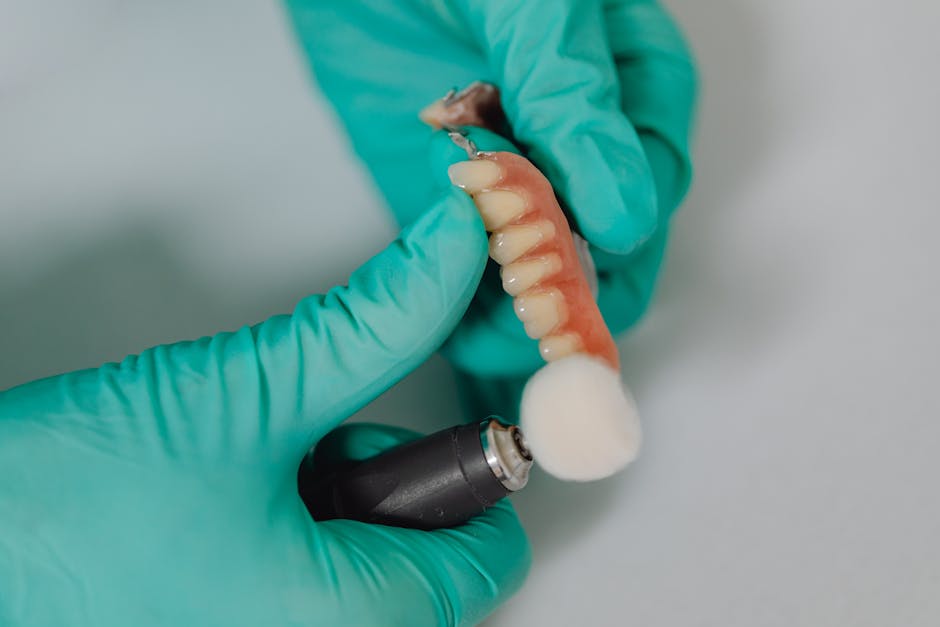
The Partial Denture: A partial denture is a removable acrylic and metal appliance that clips onto your remaining teeth. While cheap upfront, they are often uncomfortable, can slip while eating or speaking, and must be replaced frequently as your jawbone shrinks.
If you are currently looking for budget-conscious ways to restore your smile, you might be tempted to search for ultra-low-cost offers. We encourage you to read our guide on how to evaluate these deals safely: Find cheap implants near me.
Calculating the Lifetime Cost of One Dental Implant vs. Alternatives
Let’s look at a realistic 20-year financial comparison. While a dental implant has a higher upfront cost, its structural durability makes it far more cost-effective over time.
Dental Bridge (20-Year Lifespan): A traditional bridge typically lasts 10 to 15 years before the anchor teeth decay or the structure fails. Over 20 years, you will likely need to replace the bridge at least once.
Initial Bridge Cost: $3,500
One Replacement Bridge: $4,000
Potential Root Canal on Anchor Tooth: $1,500
Total 20-Year Cost: $9,000
Dental Implant (20-Year Lifespan): Once a titanium implant post fuses with your bone, it is designed to last for the rest of your life. The custom porcelain crown on top may experience normal wear and tear and require replacement after 15 to 20 years, but the foundation remains permanently intact.
Initial Implant, Abutment, and Crown: $4,500
Maintenance & Potential Crown Refurbishment: $800
Total 20-Year Cost: $5,300
Beyond the math, dental implants are the only tooth replacement option that preserves your natural jawbone. When you lose a tooth, the bone that once supported it begins to resorb (melt away) from a lack of stimulation. Over time, this bone loss can cause adjacent teeth to shift, ruin your bite, and lead to a prematurely aged, sunken facial appearance. By acting as a natural tooth root, a dental implant permanently halts this bone loss, preserving your facial structure and your long-term oral health.
Frequently Asked Questions About Dental Implant Costs
How much does a single dental implant cost without insurance?
Without insurance, the total out-of-pocket cost for a single tooth dental implant typically ranges from $3,000 to $7,000. This self-pay price includes the initial 3D imaging, surgical placement of the implant post, the custom abutment, and the final custom-fabricated crown. If your mouth is healthy and requires no preparatory bone grafting or extractions, your total will likely sit closer to the lower end of that range (around $3,500 to $4,500).
Why do dental implant prices vary so much by location?
Dental implant pricing is heavily influenced by regional cost-of-living indexes, commercial rent for dental clinics, and local practitioner density. Additionally, the credentials of your provider matter. A highly experienced specialist who uses state-of-the-art digital surgical guides and premium, cold-worked titanium alloys will have slightly higher fees than a general dentist performing the surgery with older technology. However, investing in an experienced specialist significantly reduces the risk of implant failure, which can cost thousands of dollars to correct.
Is getting a single tooth implant painful?
Most patients are pleasantly surprised by how comfortable the procedure actually is. During the surgery, we use advanced local anesthetics to completely numb the area, meaning you won't feel any pain whatsoever. After the numbing wears off, you may experience mild soreness, slight swelling, and minor bruising for three to five days. This post-operative discomfort is highly manageable and can typically be controlled with over-the-counter pain relievers like ibuprofen or acetaminophen. Most patients are able to return to light work or normal daily activities the very next day.
Conclusion
Investing in the cost of one dental implant is about much more than just filling a gap in your smile—it is a life-changing investment in your confidence, your ability to enjoy your favorite foods, and your long-term health.
At Arvada Implants and Cosmetic Dentistry, we are proud to offer the Arvada community affordable, personalized dental treatments. By utilizing cutting-edge digital technology and custom lab creations, we design beautiful, unique smiles that look, feel, and function just like natural teeth. We believe that financial stress should never stand between you and a healthy smile, which is why we offer transparent pricing, help you maximize your insurance benefits, and build flexible payment plans tailored entirely to your budget.
Are you ready to take the first step toward reclaiming your smile? We invite you to schedule a friendly, judgment-free consultation with our team. We will take detailed digital scans of your mouth, discuss your goals, and hand you a complete, all-inclusive treatment plan with absolutely no hidden fees.
Don't let a missing tooth hold you back any longer—schedule your dental implants consultation today and let us help you smile with confidence again!