What is Guided Bone Regeneration and Why Do You Need It?
Why GBR in Dentistry Could Be the Key to Your Dental Implant Success
GBR in dentistry — or Guided Bone Regeneration — is a surgical procedure that rebuilds lost jawbone so dental implants have a stable foundation to anchor into.
Here's a quick summary of what it involves:
What it is: A procedure using bone graft material and a barrier membrane to stimulate new bone growth
Why it's needed: Tooth loss, gum disease, or trauma can cause jawbone to shrink, making implants impossible without first rebuilding the bone
How it works: A membrane "shields" the graft site, blocking fast-growing soft tissue so slower-growing bone cells can fill the area properly
Who needs it: Up to 40% of dental implant patients require some form of GBR before or during implant placement
Timeline: Healing typically takes 4–9 months depending on the size of the defect
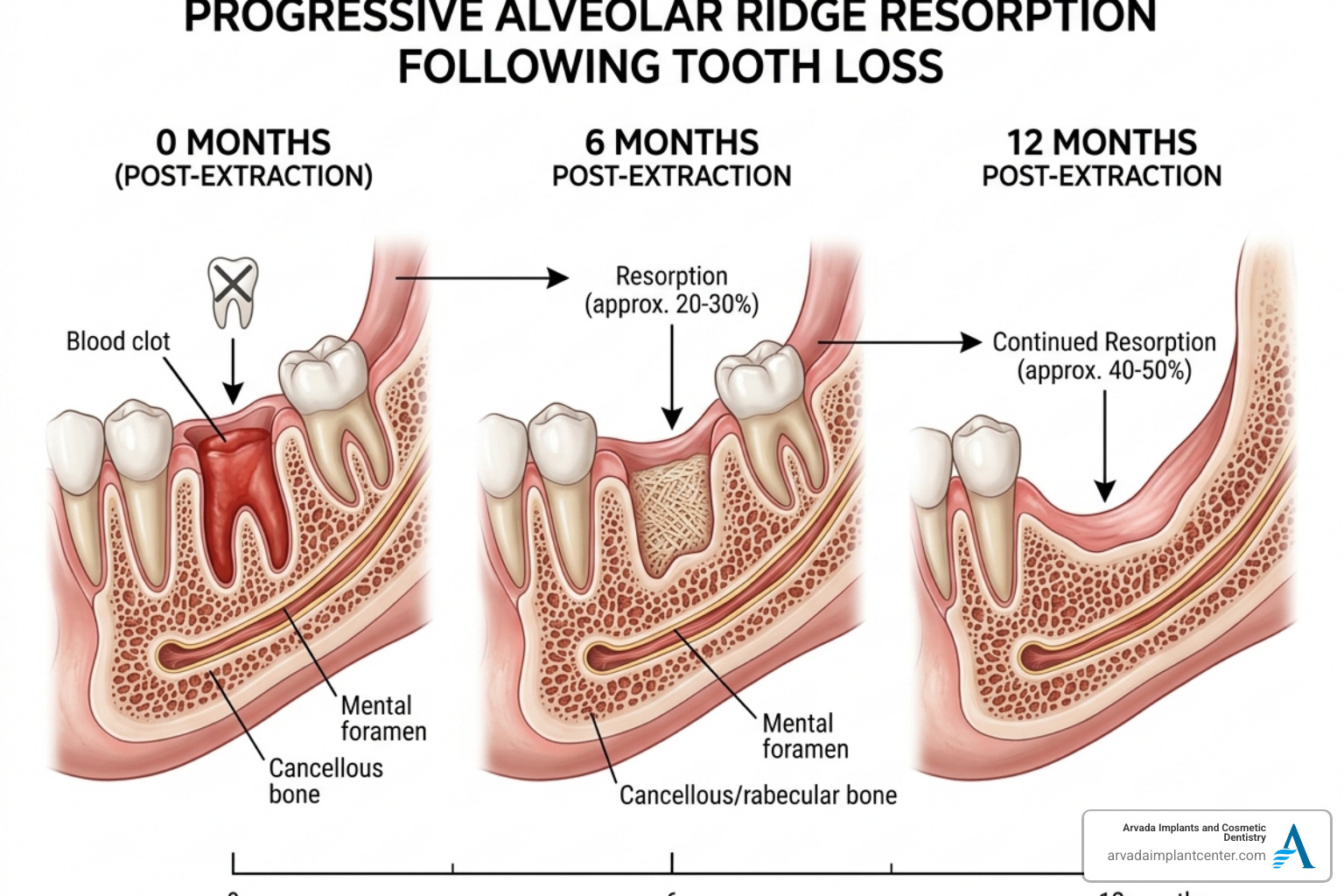
The ideal placement of dental implants is often blocked by one thing: not enough bone. After a tooth is lost, the jawbone beneath it begins to shrink — both in width and height. In fact, more than 50% of that bone volume can disappear within the first year after extraction alone.
That's where GBR comes in. Think of it as rebuilding the foundation before constructing the house.
If you've been told you're "not a candidate" for implants because of bone loss, GBR may be exactly what changes that.
Understanding the Science of GBR in Dentistry
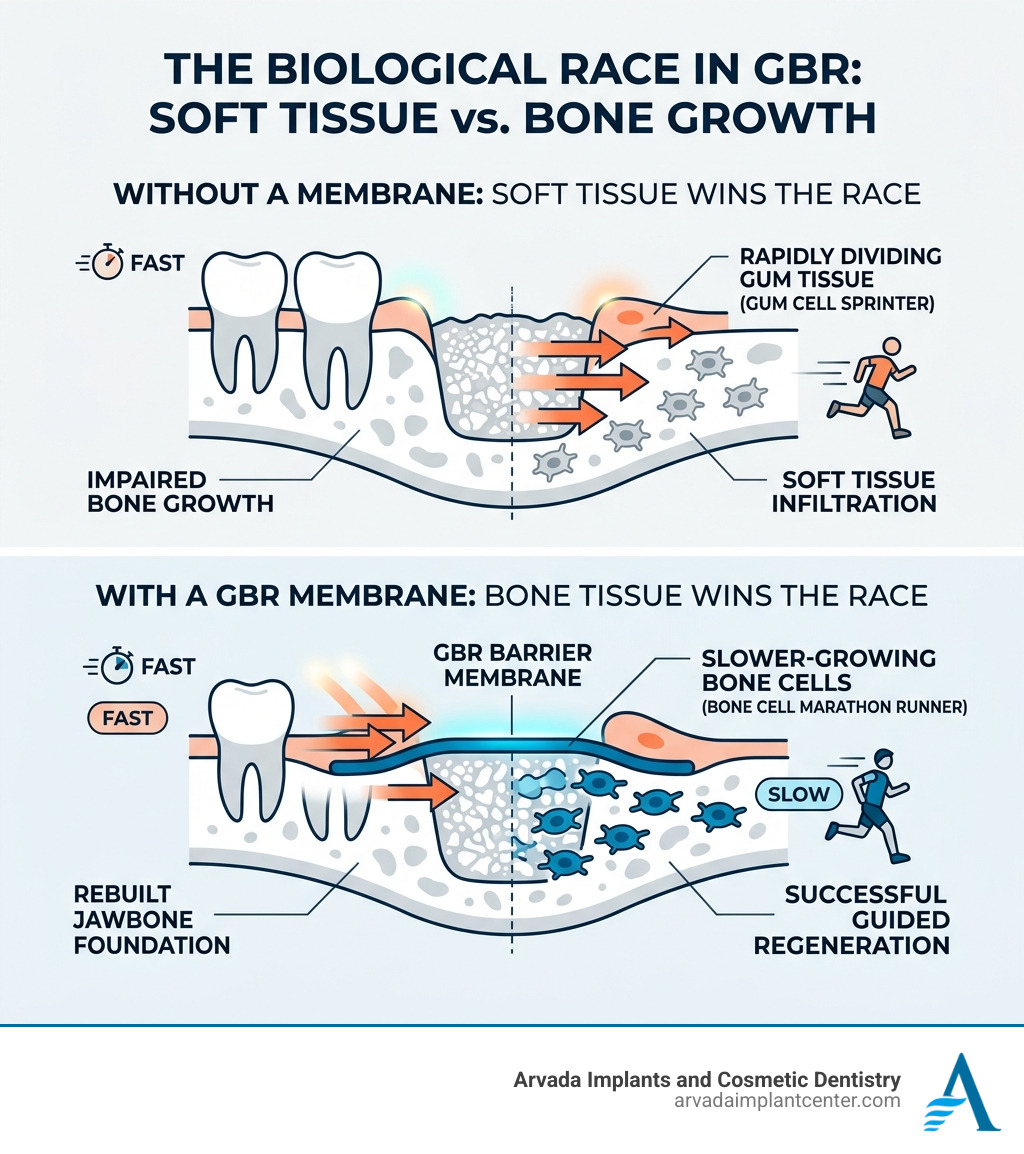
To understand gbr in dentistry, we first have to look at how our bodies heal. In the mouth, different types of cells grow at different speeds. Soft tissue cells (like those in your gums) are like sprinters; they grow very quickly. Bone cells, on the other hand, are like marathon runners; they are much slower to move and multiply.
If we simply placed bone graft material into a gap in your jaw and walked away, the fast-moving gum tissue would invade the space before the bone had a chance to grow. This results in soft tissue filling the hole instead of the hard, dense bone needed to support a dental implant.
GBR in dentistry solves this by using a barrier membrane. This membrane acts as a protective "shield" or "referee." It physically blocks the fast-growing epithelial and connective tissue cells from entering the site, giving the slower osteoprogenitor cells (the cells that build bone) the time and space they need to repopulate the area.
For this process to be predictable, we follow the PASS principle, which is a set of four biological requirements:
Primary closure: The wound must be fully closed and sealed to protect the site from bacteria.
Angiogenesis: There must be a healthy blood supply to bring oxygen and nutrients to the new bone.
Space maintenance: The membrane or "tenting" screws must keep the area open so the bone has room to grow.
Stability: The graft and membrane must stay perfectly still; even tiny "micromovements" can cause the body to grow soft tissue instead of bone.
By adhering to these principles of guided bone and tissue regeneration (dentistry)), we can successfully grow bone where it was once lost.
Why You Might Need Guided Bone Regeneration
Bone loss, or bone resorption, is a natural but frustrating consequence of losing a tooth. Your jawbone stays healthy and dense through the stimulation it receives from chewing. When a tooth is removed, that stimulation stops.
Research shows that up to 40% of dental implant sites require some level of GBR to achieve long-term success. Here are the most common reasons we recommend this procedure at Arvada Implants and Cosmetic Dentistry:
Tooth Extraction: As mentioned, you can lose over 50% of your ridge width in the first year after a tooth is pulled. GBR in dentistry can be used as "socket preservation" to stop this loss before it starts.
Periodontal Disease: Advanced gum disease eats away at the bone supporting your natural teeth. Even if the teeth are eventually removed, the bone damage remains.
Dehiscence and Fenestration: These are specific types of bone defects. A dehiscence is a "dip" or "cleft" in the bone, while a fenestration is a "window" or hole in the bone covering the implant. If these defects are 2mm or larger, GBR is essential for implant stability.
Facial Aesthetics: When you lose jawbone, your facial features can begin to collapse. This often leads to a "sunken-in" or prematurely aged appearance. Rebuilding the bone helps maintain your natural jawline and lip support.
The 8-Step Clinical Protocol for Successful Ridge Augmentation
Rebuilding bone is a precise science. At our Arvada practice, we follow a strict 8-step protocol to ensure your ridge augmentation is successful and predictable.
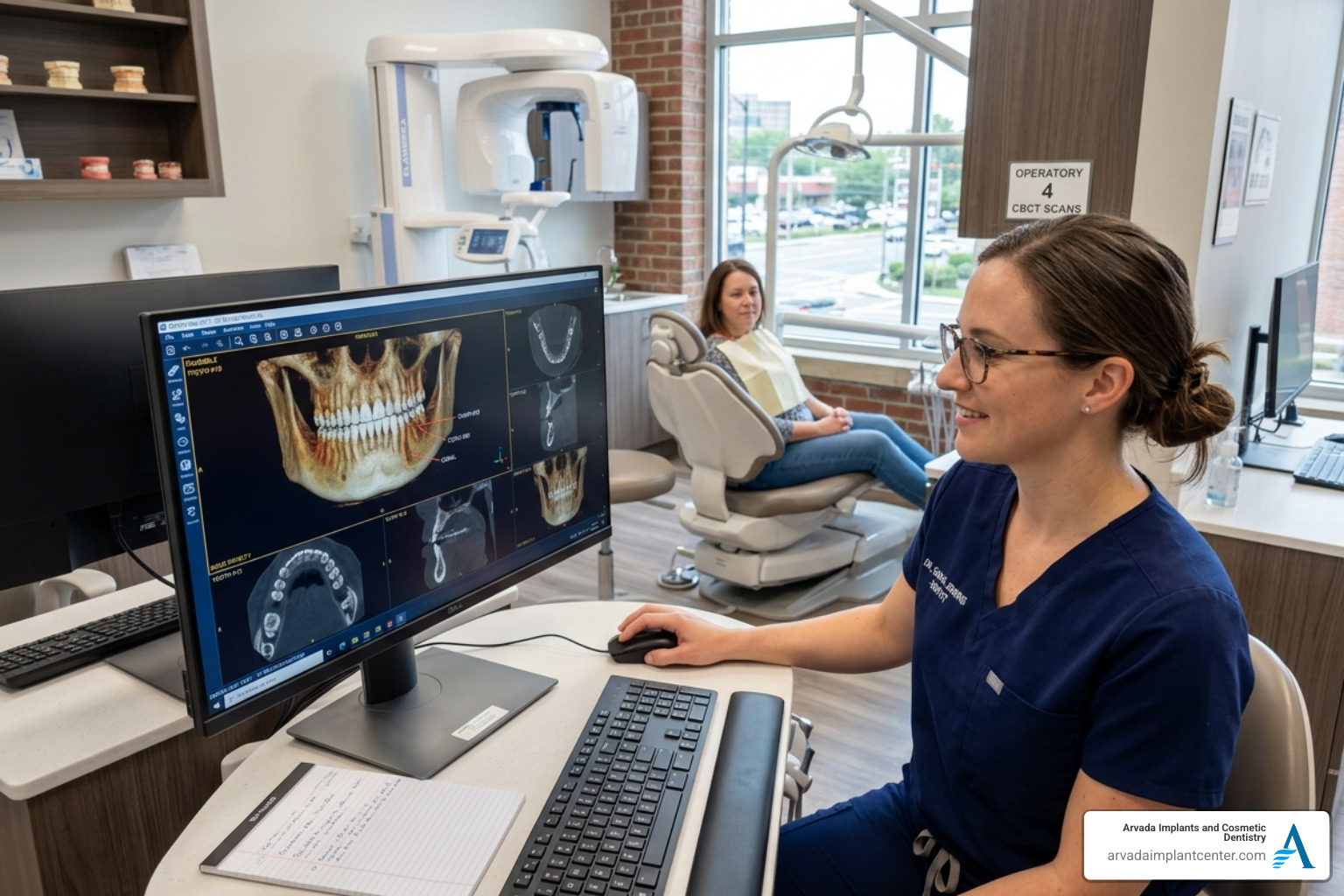
Step 1: CBCT Evaluation
Before we ever pick up a scalpel, we use Our Technology to see exactly what we are working with. A CBCT (Cone Beam Computed Tomography) scan provides a 3D map of your jaw. This allows us to measure the exact width and height of the bone, identify the location of nerves, and plan the ideal position of the future implant.
Step 2: Flap Design
We carefully design the "flap" (the way we open the gum tissue) to ensure we have enough tissue to cover the new bone graft. This is critical for achieving "tension-free closure," which prevents the wound from opening during healing.
Step 3: Recipient Site Preparation
To encourage angiogenesis (blood flow), we often perform "decortication." This involves making tiny holes in the existing bone to reach the blood-rich marrow inside. This triggers the Regional Acceleratory Phenomenon (RAP), which speeds up the healing process.
Step 4: Space Maintenance
If the bone defect is large, the membrane might collapse into the hole. To prevent this, we use "tenting screws." These tiny titanium screws act like tent poles, holding the membrane up and maintaining the space for the new bone to grow.
Step 5: Bone Grafting
We place the bone graft material into the defect. Often, we use a "layering" approach. We might place fast-healing bone (like your own bone) against the jaw and a slower-resorbing bone (like bovine bone) on the outside to maintain the shape over time.
Step 6: Membrane Placement
The barrier membrane is placed over the graft. We may secure it with tiny tacks or pins to ensure it doesn't move. Remember: stability is key!
Step 7: Tension-Free Closure
This is perhaps the most important step. We must ensure the gum tissue can be sewn back together without any pulling or tension. If the tissue is too tight, it will pull apart (dehiscence), exposing the membrane and significantly increasing the risk of failure.
Step 8: Healing Phase
Now, we wait. Your body needs time to turn that graft material into living, breathing bone. This usually takes between 4 and 9 months.
Materials and Technology Used in GBR
Not all bone grafts are created equal. The materials we choose for gbr in dentistry depend on your specific needs, the location of the defect, and your overall health.
Choosing the Right Bone Graft for GBR in Dentistry
There are four main types of bone graft materials used in modern dentistry:
Graft Type Source Properties Best For Autograft Your own body (usually the chin or hip) Osteogenic (contains living cells) The "Gold Standard" for fast healing. Allograft Human donor bone (processed and sterile) Osteoinductive (triggers bone growth) Very common; avoids a second surgical site. Xenograft Another species (usually bovine/cow) Osteoconductive (acts as a scaffold) Excellent for maintaining volume over time. Synthetic Lab-made (calcium phosphate) Osteoconductive Good for patients who prefer non-biological sources.
In many cases, we find that a "cocktail" or mixture of these materials works best. For example, mixing your own "bone dust" (collected during the implant drilling process) with an allograft provides both living cells and a stable scaffold.
Barrier Membranes and Growth Factors in GBR in Dentistry
The membrane is the "referee" that makes GBR possible. We generally choose between two types:
Resorbable Membranes: Usually made of collagen, these dissolve on their own over several weeks. They are great because they don't require a second surgery to remove them, but they offer less "stiffness" for large defects.
Non-Resorbable Membranes: Made of materials like PTFE (Teflon) or titanium mesh, these stay in place until we manually remove them. These are necessary for vertical bone growth or large horizontal gaps where maximum stability is required.
To speed up your healing even further, we often use Platelet-Rich Fibrin (PRF). This involves taking a small sample of your own blood, spinning it in a centrifuge to concentrate the growth factors, and placing that "super-clot" onto the graft site. Research shows that PRF significantly improves the clinical efficacy of GBR, especially in the "aesthetic zone" (your front teeth), where gingival contouring is critical for a natural look.
For more technical insights, you can read about the Clinical Efficacy of GBR Technique Combined with Temporary Bridgework-Guided Gingival Contouring in Treating Upper Anterior Tooth Loss with Labial Bone Defects | Journal of Clinical and Nursing Research.
Recovery and Aftercare for Optimal Results
The surgery is only half the battle; the rest happens during your recovery. Because gbr in dentistry relies on a delicate biological process, your "home care" is vital.
The First 24 Hours: Keep your head elevated and use ice packs (20 minutes on, 20 minutes off) to minimize swelling. Do not spit, use straws, or smoke, as these can dislodge the blood clot.
Diet: Stick to a liquid or very soft diet for at least 7–10 days. Think smoothies, yogurt, and lukewarm soups. Avoid anything crunchy or sharp (like chips) that could poke the surgical site.
Hygiene: Do not brush the surgical site directly for the first week. We will likely prescribe a special antibacterial mouthwash (Chlorhexidine) to keep the area clean. Be sure to follow our Implants Home Care Instructions carefully.
Medication: Take all prescribed antibiotics. These aren't just for "if you feel bad"—they are there to protect the bone graft while it's most vulnerable.
If you are having GBR performed at the same time as an extraction, please also review our Tooth Extraction Home Care Instructions.
Frequently Asked Questions about GBR in Dentistry
How long does the GBR healing process take?
Generally, the healing process for gbr in dentistry takes between 4 and 9 months.
Socket Preservation: Usually 4–6 months.
Horizontal Augmentation: 6 months.
Vertical Augmentation: 9 months or more. During this time, your body is performing osseointegration, where the graft material is replaced by your own living bone. We use CBCT scans to monitor this progress before we proceed with placing your final dental implants.
Is the GBR procedure painful?
We prioritize your comfort above all else. The procedure itself is performed under local anesthesia, so you shouldn't feel anything. For patients who are anxious, we offer various sedation options. Most patients report that the post-operative discomfort is similar to a standard tooth extraction and can be managed with over-the-counter pain relievers and the medications we prescribe.
What are the signs of a failing bone graft?
While GBR has a very high success rate, complications can happen. The most common issue is membrane exposure, where the gum tissue opens slightly and you can see the white membrane underneath.
Grade I Exposure: A small opening (<3mm) without pus. This can often be managed with extra cleaning.
Grade III Exposure: An opening with purulent exudate (pus) or signs of infection. If you notice increased swelling after the third day, a foul taste, or "micromovement" of the site, call us immediately. Early intervention can often save the graft!
Conclusion
At Arvada Implants and Cosmetic Dentistry, we believe that a beautiful smile starts with a strong foundation. GBR in dentistry is the "secret weapon" that allows us to provide permanent, stable, and aesthetic dental implants even to patients who have suffered significant bone loss.
By combining years of clinical experience with the latest 3D imaging and PRF technology, we provide personalized treatments that respect your unique anatomy. Whether you've just lost a tooth or have been wearing dentures for years, we can help you rebuild the bone volume you need for a lifelong smile.
Don't let bone loss stand in the way of your confidence. Schedule your dental implant consultation with us in Arvada, CO, today, and let's start building your foundation for success.